

The world of high end handbag brands represents far more than fashion accessories. These coveted pieces serve as cultural artifacts, investment vehicles, and symbols of craftsmanship that transcend trends. For collectors and enthusiasts in 2026, understanding the landscape of luxury handbags means recognizing the heritage, artisanal excellence, and market dynamics that separate true powerhouse brands from merely expensive alternatives. Whether you're exploring pre-loved pieces or building a curated collection, knowing which brands deliver lasting value has become essential in today's sophisticated luxury market.
The Hierarchy of Luxury: Understanding Brand Tiers
Not all luxury handbag brands occupy the same position in the market. The global handbag market categorizes brands into distinct segments: Premium, Prestige, High-End, and Powerhouse. This stratification matters significantly for collectors.
Powerhouse brands like Hermès and Chanel dominate the apex of this hierarchy. These houses maintain strict production controls, uncompromising quality standards, and heritage that spans decades or even centuries. Their pieces consistently appreciate rather than depreciate, making them unique in the luxury goods sector.
Market Positioning and Value Retention
The distinction between high-end and powerhouse brands becomes clear when examining secondary market performance. While many luxury labels produce beautiful handbags, only a select few maintain or increase their value over time.
|
Brand Tier |
Examples |
Resale Value |
Production Volume |
|---|---|---|---|
|
Powerhouse |
Hermès, Chanel |
80-300% of retail |
Extremely limited |
|
High-End |
Louis Vuitton, Dior |
60-90% of retail |
Controlled |
|
Prestige |
Gucci, Prada |
40-70% of retail |
Higher volume |
|
Premium |
Coach, Kate Spade |
20-40% of retail |
Mass luxury |
This stratification explains why investment-grade handbags focus primarily on powerhouse and select high-end brands. The scarcity, craftsmanship, and brand equity create a foundation for long-term value.
Hermès: The Undisputed Leader
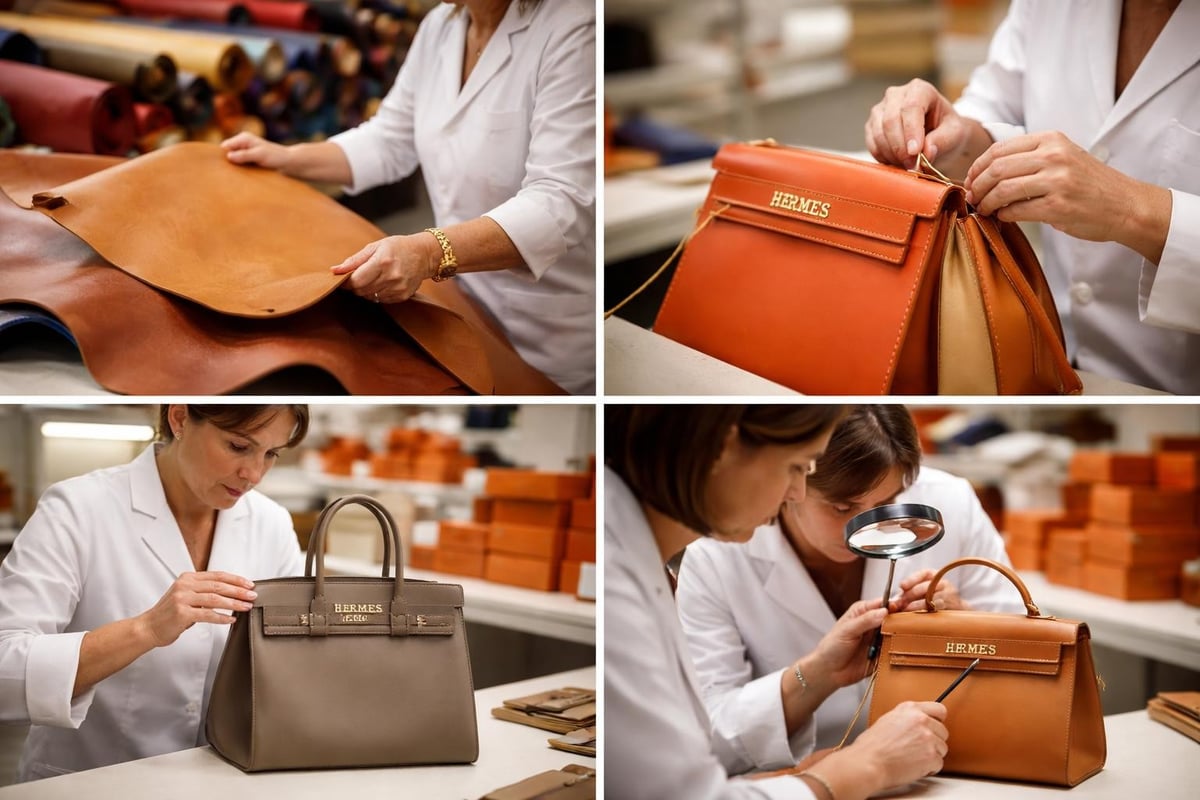
Among high end handbag brands, Hermès stands alone at the pinnacle. The French house, established in 1837, maintains production standards that defy modern manufacturing logic. Each bag requires a single artisan to complete the entire piece, ensuring accountability and unparalleled quality control.
The Birkin bag, introduced in 1984, has become synonymous with ultimate luxury. Named after actress Jane Birkin, this iconic design requires between 18 and 25 hours of handcrafted work. Waiting lists can extend years, and the brand deliberately limits production to maintain exclusivity.
Hermès Investment Potential
The numbers speak clearly about Hermès' market dominance. Certain Birkin configurations have appreciated 500% over the past decade. Rare colors, exotic leathers, and limited editions command premiums that exceed original retail prices by multiples.
Key Hermès models for collectors:
-
Birkin 25, 30, 35: The classic investment pieces
-
Kelly 28, 32: Structured elegance with strong resale
-
Constance 24: Underrated but appreciating rapidly
-
Evelyne: Entry-level with surprising value retention
-
Picotin: Casual style gaining collector interest
For those exploring pre-loved options, authenticated Hermès pieces from reputable sources offer accessibility to this rarefied market. The secondary market has matured significantly, with knowledgeable collectors understanding that provenance and condition documentation matter as much as the bag itself.
Chanel: Timeless French Sophistication
Chanel's position among high end handbag brands derives from Coco Chanel's revolutionary vision. The brand transformed women's fashion in the early 20th century, and its handbags carry that legacy forward. The Classic Flap, introduced in 1955, remains one of fashion's most recognizable designs.
Chanel's approach differs from Hermès in several key ways. The brand produces higher volumes while maintaining strict quality standards. Annual price increases-averaging 10-15% in recent years-have made Chanel bags particularly attractive to investors who understand luxury goods appreciation.
The Classic Flap and Beyond
The 2.55 and Classic Flap bags anchor Chanel's handbag legacy. The quilted leather, chain straps, and interlocking CC logo create instant recognition. However, savvy collectors look beyond the obvious choices.
Emerging Chanel investment pieces:
-
Boy Bag: Modern aesthetic with strong appreciation
-
19 Bag: Contemporary classic gaining traction
-
Gabrielle: Underappreciated versatility
-
Vintage pieces: Pre-2000s bags with authentication challenges but significant upside
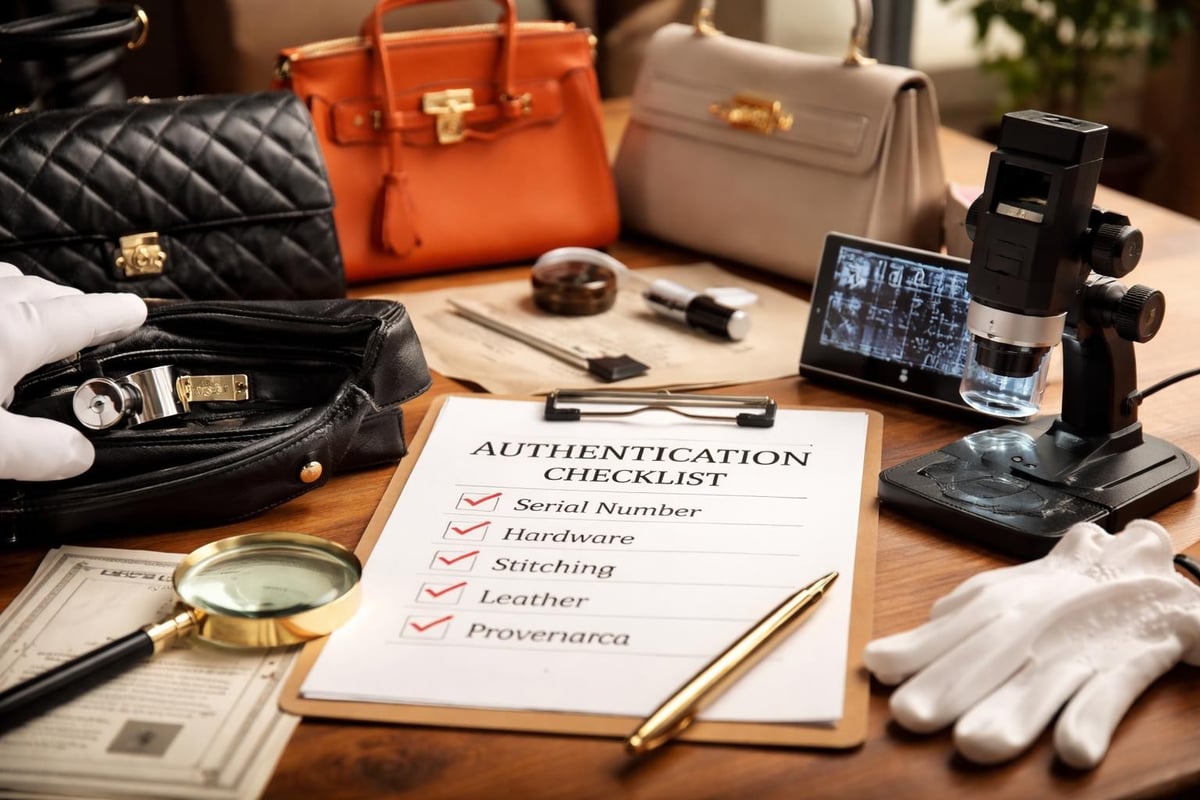
Understanding how to authenticate vintage Chanel has become essential knowledge. The secondary market presents both opportunities and risks, making authentication expertise crucial. Serial numbers, hardware quality, stitching precision, and leather characteristics all provide authentication clues.
The Chanel second-hand market has expanded dramatically in 2026, offering collectors access to discontinued styles and rare colorways that never appear in boutiques.
Louis Vuitton: Heritage Meets Innovation
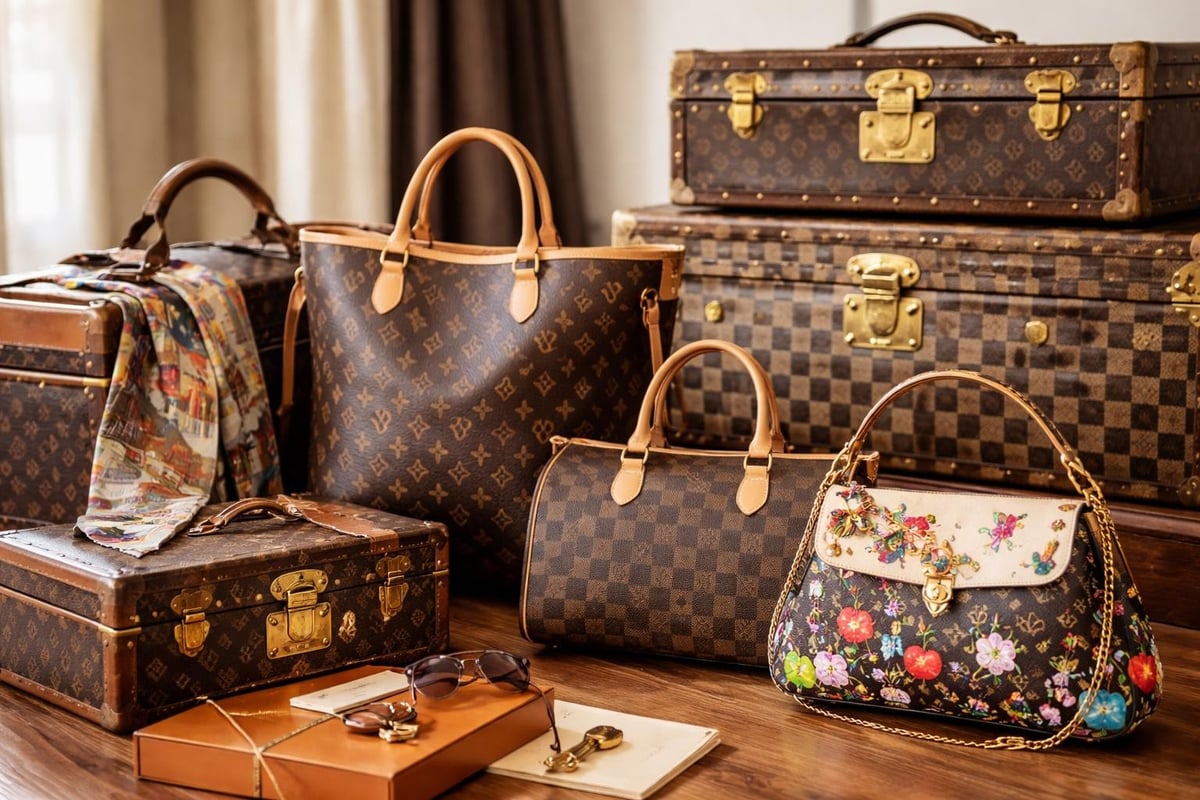
Louis Vuitton occupies a fascinating position among high end handbag brands. Founded in 1854, the brand pioneered luxury luggage before expanding into handbags. The iconic monogram canvas, introduced in 1896, remains one of fashion's most recognized patterns.
Canvas vs. Leather: Investment Considerations
Louis Vuitton's canvas bags offer durability and recognition, while leather pieces often command higher resale premiums. The brand's 2026 handbag trends show increasing collector interest in limited editions and artist collaborations.
Classic models maintain strong secondary market performance:
-
Speedy 25, 30: Entry-level classics with consistent demand
-
Neverfull: Practical tote with surprising resale strength
-
Capucines: Leather flagship gaining investment recognition
-
Twist: Modern design appealing to younger collectors
The brand's higher production volumes compared to Hermès mean more accessible pricing, but also more careful selection required for investment purposes. Limited editions and rare materials significantly outperform standard canvas pieces.
Bottega Veneta, Dior, and Emerging Powerhouses
The landscape of high end handbag brands extends beyond the traditional trinity. Bottega Veneta's signature Intrecciato weave represents understated luxury that appeals to knowing collectors. The brand's "stealth wealth" aesthetic has gained significant traction in 2026.
Dior's Lady Dior and Book Tote have achieved iconic status within luxury fashion. The brand balances heritage with innovation, introducing new designs while maintaining classic appeal. Christian Dior's "New Look" revolution of 1947 established the house's fashion credibility, which extends seamlessly to accessories.
Comparative Brand Analysis
|
Brand |
Founded |
Signature Style |
Investment Grade |
Accessibility |
|---|---|---|---|---|
|
Hermès |
1837 |
Artisanal exclusivity |
Exceptional |
Very limited |
|
Chanel |
1910 |
Quilted elegance |
Excellent |
Limited |
|
Louis Vuitton |
1854 |
Monogram heritage |
Good |
Moderate |
|
Dior |
1946 |
Structured femininity |
Good |
Moderate |
|
Bottega Veneta |
1966 |
Woven leather |
Emerging |
Moderate |
Understanding these distinctions helps collectors make informed decisions. The most underrated investment bags often come from established brands but represent lesser-known models with strong fundamentals.
Material Science: What Makes Quality Last
High end handbag brands distinguish themselves through material selection and treatment. The difference between lambskin and caviar leather, between Epsom and Togo, affects both aesthetics and longevity.
Hermès leather types:
-
Togo: Grained, durable, holds shape well
-
Clemence: Softer drape, develops patina beautifully
-
Epsom: Rigid structure, scratch-resistant
-
Swift: Smooth finish, shows wear more readily
-
Exotic skins: Crocodile, alligator, ostrich for premium pieces
Chanel leather characteristics:
-
Lambskin: Luxuriously soft, requires careful handling
-
Caviar: Textured, durable, ideal for daily use
-
Patent leather: Glossy finish, vintage appeal
-
Aged calfskin: Vintage aesthetic with character
Understanding leather types transforms shopping from aesthetic preference to informed investment. A Chanel caviar versus lambskin comparison reveals how material choice impacts long-term value retention and usage patterns.
The Secondary Market Revolution
The pre-loved luxury market has matured dramatically. What once carried stigma now represents savvy collecting. Authenticated vintage and pre-owned pieces from high end handbag brands offer several advantages over boutique purchases.
Benefits of Pre-Loved Luxury
Financial advantages:
-
Immediate availability of sold-out styles
-
Lower entry price for rare pieces
-
Discontinued models unavailable at retail
-
Vintage pieces with appreciation potential
-
Avoided waiting lists for Hermès and Chanel
Collector benefits:
-
Access to heritage pieces
-
Unique colorways and materials
-
Complete condition assessment before purchase
-
Authentication documentation
-
Established value verification
Reputable dealers provide authentication services that protect buyers from counterfeits. The market has professionalized significantly, with established authentication standards and documentation protocols.
Investment Strategy for Luxury Handbags
Approaching high end handbag brands from an investment perspective requires different thinking than fashion-focused shopping. Investment-grade bags share common characteristics that transcend brand names.
Investment Criteria Checklist
-
Brand heritage and market position
-
Limited production or discontinued status
-
Condition documentation and provenance
-
Classic design with timeless appeal
-
Material quality and durability
-
Secondary market demand verification
-
Authentication from reputable sources
The 2026 best investment bags analysis shows that specific configurations outperform others dramatically. A Hermès Birkin 30 in black Togo with gold hardware appreciates more reliably than unusual color combinations, despite the latter's initial appeal.
Market research from leading luxury analysts confirms that powerhouse brands maintain pricing power even during economic uncertainty. This resilience makes authenticated pieces particularly attractive for diversified collectors.
Color, Hardware, and Configuration Choices
Within each brand, specific details dramatically affect desirability and value. Understanding these nuances separates knowledgeable collectors from casual buyers.
Hermès optimal configurations:
-
Black, Gold, Etoupe in neutral tones
-
Gold or Palladium hardware
-
Sizes 25, 30, or 35 for Birkin
-
Size 28 or 32 for Kelly
Chanel value drivers:
-
Black caviar with gold hardware remains unbeatable
-
Medium Classic Flap offers best versatility
-
Limited edition colors appreciate faster
-
Vintage condition matters more than age alone
Some collectors focus on rare Hermès pieces that command premiums. Special orders, discontinued colors, and exotic leathers represent the highest tier of collecting. However, these require significant expertise to authenticate and value accurately.
Building a Curated Collection
Successful luxury handbag collecting requires strategy beyond acquiring individual pieces. A thoughtful collection balances investment potential with personal enjoyment and practical use.
Collection Building Principles
Start with classics: Begin with universally recognized pieces from powerhouse brands. A black Chanel Classic Flap or neutral Hermès Kelly provides foundation and versatility.
Diversify thoughtfully: Once classics anchor your collection, explore variations. Different sizes, colors, or brands prevent redundancy while spreading risk.
Document everything: Maintain authentication certificates, purchase receipts, and condition reports. Documentation significantly enhances resale value and provides insurance protection.
Consider rotation: Strategic selling of appreciated pieces funds new acquisitions. The secondary market's liquidity makes luxury handbags uniquely tradable among collectibles.
Focus on condition: Pristine condition commands premium pricing. Proper storage, professional cleaning, and careful handling preserve value.
Authentication and Due Diligence
As high end handbag brands grow in value, counterfeiting becomes increasingly sophisticated. Professional authentication protects investments and ensures authenticity.
Modern authentication examines multiple elements:
-
Serial number format and placement accuracy
-
Hardware weight, engraving, and finish quality
-
Stitching precision and thread type
-
Leather grain patterns and edge treatment
-
Interior stamp clarity and positioning
-
Date code consistency with design period
Specialized platforms now offer expert authentication services that combine artificial intelligence with human expertise. Multiple authentication points create confidence in high-value transactions.
Market Trends Shaping 2026
The luxury handbag market continues evolving. Understanding current trends helps collectors make informed decisions about which high end handbag brands and models offer strongest prospects.
Key 2026 market developments:
-
Sustainability focus increasing vintage appeal
-
Digital authentication becoming standard practice
-
Younger collectors entering premium market
-
Investment diversification driving luxury goods interest
-
Transparency in secondary market pricing
-
Gender-neutral designs gaining traction
Recent market analysis shows American preferences shifting slightly toward contemporary brands while powerhouses maintain dominance. However, Hermès and Chanel continue commanding premium positioning that newer brands struggle to achieve.
Price Architecture and Access Strategies
High end handbag brands employ sophisticated pricing strategies that affect collector access. Understanding these dynamics helps navigate the market effectively.
Hermès' quota system limits purchases, creating artificial scarcity that drives secondary market premiums. Chanel's regular price increases function as forced appreciation, encouraging immediate purchase decisions. Louis Vuitton maintains more stable pricing but limits availability of special editions.
Access strategies:
-
Build relationships with sales associates at boutiques
-
Monitor secondary market for unusual opportunities
-
Consider sourcing services for rare pieces
-
Attend trunk shows and brand events
-
Explore authenticated pre-loved options first
The pre-loved market offers immediate access to pieces that might require years of boutique relationship building. For many collectors, this represents the most practical entry point.
Care, Maintenance, and Value Preservation
Proper care directly impacts long-term value retention. High end handbag brands recommend specific maintenance approaches for different materials.
Essential Care Practices
Storage: Dust bags protect from light exposure and dust accumulation. Stuff bags with acid-free tissue to maintain shape. Climate-controlled environments prevent leather drying or moisture damage.
Cleaning: Professional cleaning for significant soiling. Gentle wiping with appropriate leather cleaners for minor marks. Never use household cleaners on luxury leather.
Rotation: Regular use prevents leather stiffening, but rotation prevents excessive wear. Balance enjoyment with preservation.
Hardware protection: Avoid scratching plated hardware. Consider protective film for chain straps. Address tarnishing promptly with appropriate polishes.
Documentation: Photograph condition periodically. Maintain service records from professional cleaners. Update insurance appraisals as values appreciate.
Geographic Pricing Variations
High end handbag brands price differently across global markets. Currency fluctuations, import duties, and local demand create arbitrage opportunities for informed buyers.
European purchases often offer VAT refunds for international visitors. Asian markets sometimes price certain models higher due to demand. American pricing sits middle-range for most brands.
Understanding these variations matters for both retail purchases and secondary market transactions. A bag purchased in Paris and sold in Hong Kong might realize different returns than one staying domestic throughout its ownership cycle.
The landscape of high end handbag brands offers remarkable opportunities for collectors who approach the market with knowledge and discernment. Powerhouse brands like Hermès and Chanel continue demonstrating why heritage, craftsmanship, and scarcity create lasting value that transcends fashion cycles. Whether you're beginning your collection or refining an established portfolio, the pre-loved luxury market provides access to authenticated pieces with documented provenance and verified condition. SAIKA specializes in curating exceptional pre-loved Hermès and Chanel bags, offering collectors the expertise, authentication, and selection that transforms handbag acquisition into confident investment.