

The Hermès Birkin bag represents the pinnacle of luxury craftsmanship and has become synonymous with wealth, status, and discerning taste. Since its creation in 1984, the price of Birkin bag has consistently climbed, making these handcrafted pieces not just fashion accessories but serious investment vehicles. Understanding the current pricing landscape requires examining multiple factors, from retail costs and recent increases to resale market dynamics and long-term appreciation potential.
Understanding Retail Pricing Structures
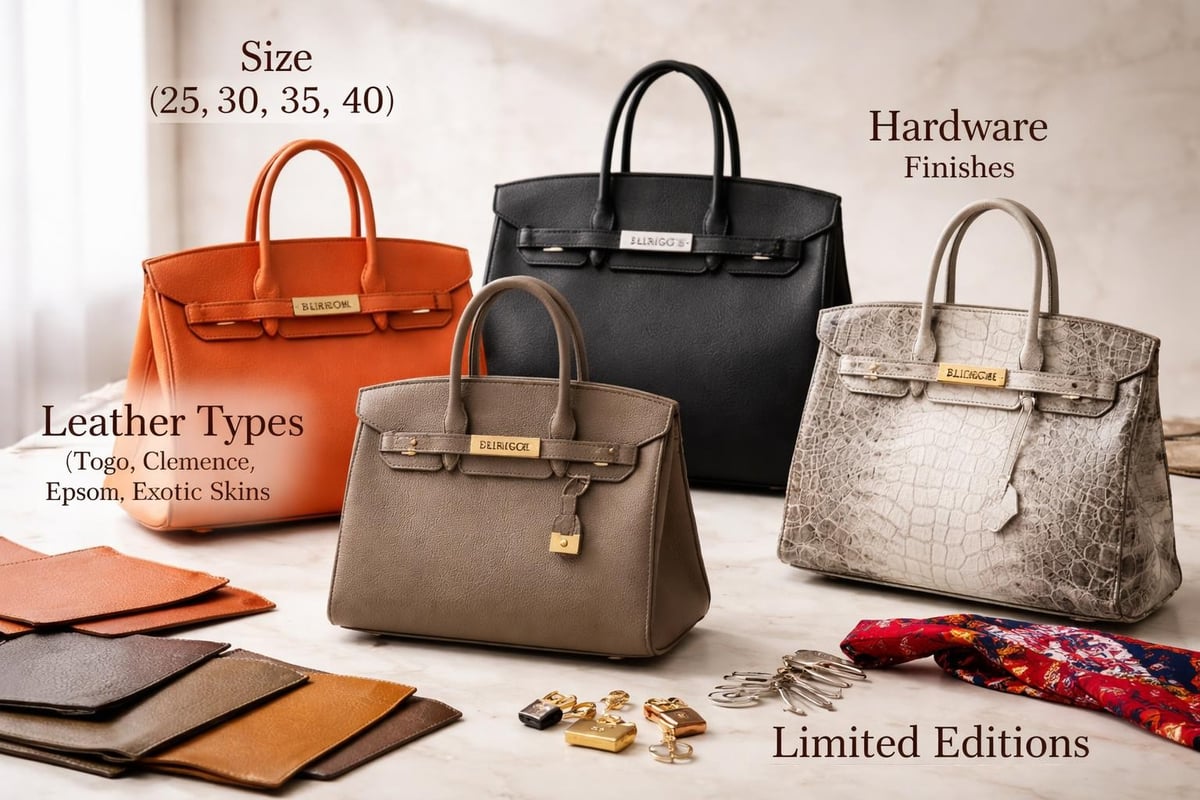
The retail price of Birkin bag varies dramatically based on several key factors. Size remains the primary determinant, with the smallest Birkin 25 commanding premium prices due to its desirability and limited availability. Standard sizes include the Birkin 25, 30, 35, and 40, each positioned at different price points to accommodate various preferences and budgets.
Hermès implemented significant price increases in 2026, continuing a trend that has characterized the brand for several years. According to Sotheby's analysis of the 2026 Hermès price adjustments, retail costs rose approximately 8-12% across most Birkin models. These adjustments affect both standard leather options and exotic skin variations, maintaining the brand's positioning as ultra-luxury while reflecting increased production costs and sustained demand.
Standard Leather Price Ranges
For 2026, the price of Birkin bag in standard leathers begins around $11,400 for a Birkin 25 and extends to approximately $13,200 for a Birkin 35. These figures represent starting points for classic calfskin options such as Togo, Clemence, and Epsom leather. Each leather type offers distinct characteristics that appeal to different collectors.
Key price points for standard leathers:
-
Birkin 25: $11,400 - $12,600
-
Birkin 30: $11,900 - $13,100
-
Birkin 35: $12,500 - $13,700
-
Birkin 40: $13,000 - $14,200
Hardware choice impacts pricing as well, with palladium and gold-tone hardware representing the standard options. Special hardware finishes, including brushed gold and permabrass, can add $500 to $1,000 to the base price. Understanding Hermès leather characteristics helps collectors make informed decisions about which materials best suit their lifestyle and investment goals.
Exotic Skin and Limited Edition Pricing
Exotic leather Birkin bags occupy a completely different pricing tier. The price of Birkin bag in crocodile, alligator, or ostrich leather starts around $40,000 and can exceed $200,000 for exceptional pieces featuring rare colors or diamond-encrusted hardware. These extraordinary creations represent the absolute pinnacle of Hermès craftsmanship.
Himalaya Birkin bags, crafted from Niloticus crocodile with a gradient from smoky grey to pearly white, consistently achieve the highest prices at both retail and auction. These bags regularly sell for $200,000 to $500,000, with exceptional examples surpassing even these figures. The record-breaking sale of Jane Birkin's original Hermès bag for $10.1 million in 2025 demonstrated the extraordinary ceiling for truly unique pieces with historical significance.
|
Leather Type |
Starting Price |
Premium Factors |
|---|---|---|
|
Togo/Clemence |
$11,400 |
Size, hardware, color |
|
Epsom |
$11,600 |
Structured finish, rarity |
|
Box Calf |
$12,200 |
Vintage appeal, patina |
|
Ostrich |
$40,000 |
Natural texture, rarity |
|
Alligator |
$50,000 |
Scale pattern, availability |
|
Crocodile |
$55,000 |
Exotic status, limited production |
|
Himalaya Crocodile |
$200,000+ |
Ultimate rarity, collectibility |
Limited edition releases and special order pieces command significant premiums. Collectors willing to work with Hermès on custom specifications often wait 2-4 years for delivery, but these bespoke creations can appreciate substantially above standard models.
Resale Market Dynamics in 2026
The secondary market for Birkin bags has experienced notable fluctuations in recent years. While these pieces historically appreciated steadily, recent analysis shows declining resale values for certain models. This shift reflects changing consumer priorities, economic pressures, and generational attitudes toward luxury spending.
The price of Birkin bag on resale platforms typically ranges from 110% to 200% of retail value, depending on rarity, condition, and desirability. However, 2026 has shown more conservative multiples, with many standard models selling closer to retail or just slightly above. This normalization creates opportunities for savvy collectors to acquire pieces below historical premiums.
Factors affecting resale value:
-
Original purchase year and retail price paid
-
Current retail pricing and availability
-
Leather type, size, and color combination
-
Hardware condition and original accessories
-
Authentication documentation and provenance
-
Market trends and economic conditions
Platforms like SAIKA specialize in authenticated pre-loved Birkin bags, offering collectors access to pieces that may be unavailable through retail channels. The pre-loved market provides options for buyers seeking specific color combinations, discontinued leathers, or vintage pieces with character and history.
Most Sought-After Configurations
Certain specifications consistently command premium resale prices regardless of market conditions. The Birkin 25 remains the most coveted size, particularly in neutral colors like Black, Gold, and Etoupe with gold hardware. These classic combinations offer versatility, timeless appeal, and strong value retention.
Rare colors and seasonal releases create additional demand. Limited production runs of vibrant hues like Rose Azalee, Blue Electric, or Vert Criquet attract collectors willing to pay substantial premiums. These pieces often appreciate significantly when they represent discontinued colors or seasonal offerings no longer in production.
Investment performance variables for Birkin bags comparing retail purchase advantages, resale market opportunities, condition assessment criteria, authentication requirements, and long-term appreciation potential across different leather types and size categories
Factors Influencing Long-Term Pricing
Understanding why the price of Birkin bag continues rising requires examining the economics of luxury scarcity. The deliberate limitation of production creates sustained demand that consistently exceeds supply. Each bag requires 18-24 hours of handwork by a single artisan, limiting the number Hermès can produce annually.
Production constraints include:
-
Artisan training requirements: Craftspeople undergo years of apprenticeship before producing Birkin bags independently
-
Material sourcing: Premium leathers and exotic skins require careful selection and preparation
-
Quality control: Hermès maintains exacting standards, rejecting pieces that don't meet specifications
-
Deliberate scarcity: Strategic production limits preserve exclusivity and brand positioning
-
Distribution control: Selective retail placement and purchase history requirements limit access
Brand heritage and cultural cachet significantly impact pricing. The Birkin bag's evolution into a cultural icon extends beyond fashion into investment, status signaling, and wealth preservation. This multifaceted appeal sustains demand across economic cycles and demographic shifts.
Recent legal challenges, including class-action lawsuits regarding sales practices, highlight the extraordinary measures buyers undertake to acquire these pieces. These controversies underscore the imbalance between supply and demand that fundamentally drives pricing.
Size-Based Price Analysis
The relationship between size and price reveals interesting market dynamics. While larger bags contain more material, smaller sizes often command higher per-square-inch values due to popularity and scarcity. The Birkin 25 exemplifies this phenomenon, frequently selling above larger sizes despite using less leather.
Birkin 25: The Premium Compact
This smallest standard size has become the most expensive proportionally. The price of Birkin bag in size 25 starts around $11,400 for basic leathers but can reach $15,000+ for special colors or limited releases. Its compact dimensions appeal to contemporary lifestyles while maintaining practical functionality.
The 25's popularity creates supply challenges even more acute than other sizes. Hermès produces fewer units, and purchase history requirements make acquisition particularly difficult. This scarcity drives robust resale performance, with certain configurations selling for 150-200% of retail.
Birkin 30 and 35: Classic Standards
These mid-sizes represent the traditional Birkin silhouette and offer the broadest selection of colors and leathers. The Birkin 30 provides everyday versatility, while the 35 accommodates professional needs and travel requirements. Retail prices range from $11,900 to $13,700 depending on leather and specifications.
These sizes demonstrate more stable resale patterns, typically appreciating 20-40% over 3-5 years for standard configurations. Special editions or rare colors perform better, while common combinations may appreciate more slowly in softer market conditions.
Investment Considerations and Performance
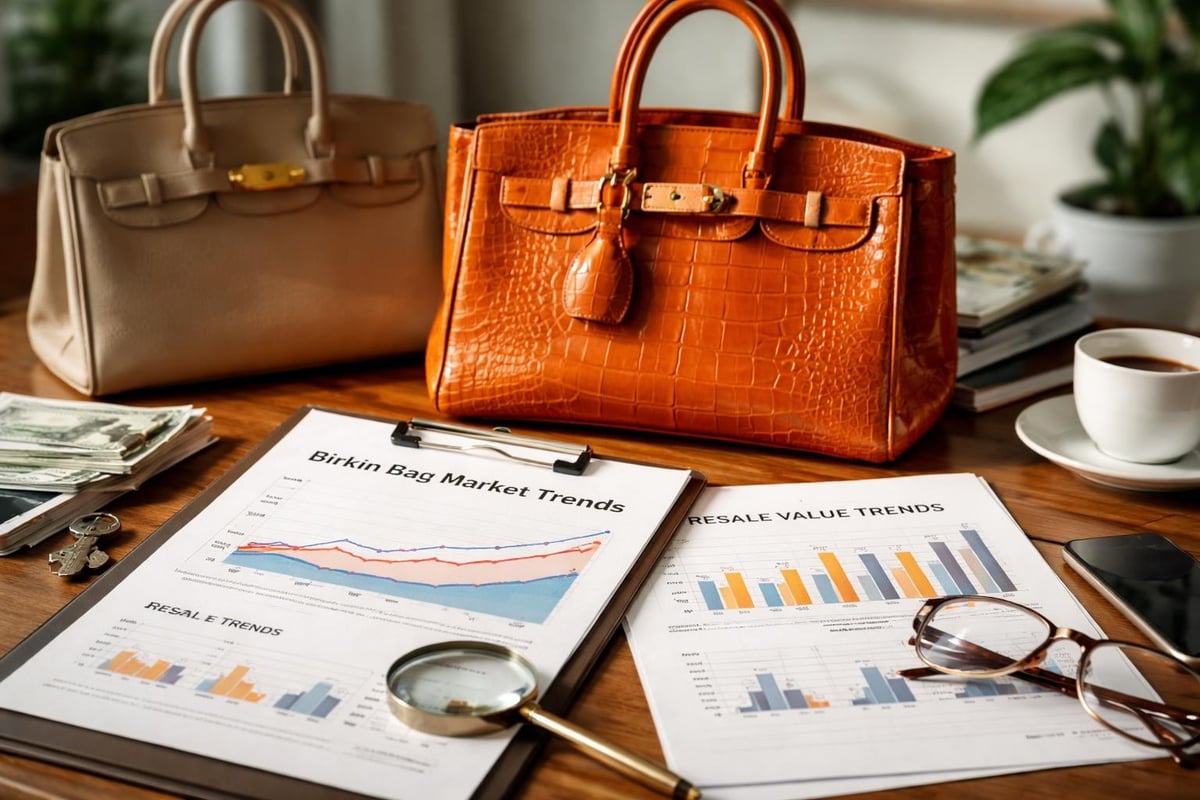
Evaluating Birkin bags as investments requires understanding both appreciation potential and liquidity considerations. Historical price tracking over five years shows retail increases averaging 8-12% annually, creating built-in appreciation for buyers able to purchase at retail.
|
Investment Metric |
Birkin Performance |
Considerations |
|---|---|---|
|
Annual Retail Appreciation |
8-12% |
Compounds over time |
|
Resale Premium (2026) |
10-100% |
Size/color dependent |
|
Holding Period |
3-5+ years |
Longer improves returns |
|
Liquidity |
Moderate-High |
Depends on specifications |
|
Market Volatility |
Low-Moderate |
More stable than stocks |
|
Storage/Insurance |
Low cost |
Unlike real estate |
Comparing Birkin investment performance to traditional assets reveals interesting dynamics. While stocks and real estate offer different liquidity profiles and tax treatments, Birkin bags provide tangible enjoyment during ownership. This "utility dividend" distinguishes luxury goods investments from purely financial instruments.
Savvy collectors recognize that investment-grade Hermès bags require careful selection, proper care, and strategic timing. Understanding which configurations appreciate most reliably helps maximize returns while enjoying these exceptional pieces.
Acquisition Strategies and Market Access
The price of Birkin bag represents only part of the acquisition challenge. Hermès maintains strict sales protocols requiring established purchase history, relationships with sales associates, and sometimes considerable patience. First-time buyers rarely walk into a boutique and purchase a Birkin, regardless of budget.
Common acquisition paths:
-
Building purchase history with smaller leather goods, scarves, and accessories
-
Developing relationships with sales associates at specific boutiques
-
Expressing genuine interest in the brand beyond flagship products
-
Demonstrating knowledge about Hermès heritage and craftsmanship
-
Exploring pre-loved markets through authenticated dealers
The pre-loved market offers immediate access without purchase history requirements. Platforms specializing in authenticated luxury bags provide verified pieces with documented provenance. This route trades potential retail savings for immediate availability and selection flexibility.
Understanding leather types and their characteristics helps buyers make informed decisions matching personal preferences with investment potential. Epsom offers structure and scratch resistance, while Togo provides relaxed elegance and softness. Each leather ages differently, affecting long-term value and aesthetic evolution.
Detailed Cost Breakdown by Category
Analyzing comprehensive pricing across categories helps buyers understand total market landscape. The price of Birkin bag extends from accessible entry points to stratospheric limited editions, creating opportunities across budget ranges for serious collectors.
Entry-Level Investment Options
Pre-loved Birkin bags in standard sizes and classic colors represent accessible entry points. A well-maintained Birkin 35 in Etoupe Togo with palladium hardware might sell for $13,000-$16,000 on the secondary market, compared to $12,500 at retail (if available). This modest premium provides immediate ownership without years-long waiting.
Older vintages from the 1990s and 2000s offer additional value, particularly for buyers appreciating patina and character. These pieces often sell below current retail despite being identical in quality, creating arbitrage opportunities for knowledgeable collectors.
Mid-Tier Collecting
Collectors seeking more distinctive pieces explore special colors, seasonal releases, or less common leathers. The price of Birkin bag in these configurations ranges from $18,000 to $35,000, depending on rarity and desirability. Box calf leather, discontinued colors, and unusual hardware combinations occupy this space.
These pieces offer stronger appreciation potential than standard configurations while remaining more accessible than exotic leathers. They appeal to collectors developing sophisticated tastes and building curated collections rather than simply acquiring status symbols.
Ultra-Premium Segment
Exotic leathers, Himalaya variations, and extremely limited releases define this category. Prices start at $40,000 and extend beyond $500,000 for the rarest pieces. These bags represent serious wealth deployment and require expertise regarding authentication, condition assessment, and market dynamics.
Working with specialists becomes essential at this level. Expert authentication services and established dealers protect buyers from sophisticated counterfeits and ensure proper documentation for resale or insurance purposes.
Color and Hardware Impact on Value
Beyond size and leather, color selection dramatically influences both retail pricing and resale performance. Hermès produces hundreds of colors across its history, with availability varying by season, region, and production constraints. The price of Birkin bag can vary by $2,000-$5,000 between standard and special colors, even in identical sizes and leathers.
Color categories and pricing:
-
Neutral classics (Black, Gold, Etoupe): Standard pricing, strong retention
-
Seasonal standards (Rouge H, Blue Jean, Vert Olive): Slight premium, excellent retention
-
Limited releases (Rose Azalee, Blue Electrique): 10-20% premium, strong appreciation
-
Discontinued rarities (Vintage greens, specialized blues): Significant premiums, collector demand
Hardware selection adds another dimension. Beyond standard palladium and gold-tone options, Hermès occasionally offers brushed gold, permabrass, and special finishes. These variations can add $500-$1,500 to retail prices and command meaningful resale premiums when combined with desirable colors.
Authentication and Condition Assessment
Understanding value requires expertise in authentication and condition evaluation. The price of Birkin bag on secondary markets depends heavily on authenticity verification and accurate condition reporting. Sophisticated counterfeits challenge even experienced collectors, making professional authentication essential for significant purchases.
Condition factors include:
-
Hardware wear, scratches, and tarnishing
-
Leather condition, scratches, and color transfer
-
Handle condition and strap integrity
-
Interior cleanliness and odor
-
Structural integrity and shape retention
-
Presence of original accessories (dustbag, box, ribbons)
Professional services assess these factors systematically, providing detailed reports supporting valuations and resale pricing. Buyers should insist on authentication guarantees when purchasing pre-loved pieces, protecting their investment and ensuring genuine Hermès quality.
Market Outlook and Future Projections
Analyzing future pricing requires examining multiple trends affecting luxury markets broadly and Birkin bags specifically. The price of Birkin bag will likely continue rising at retail, following historical patterns of 8-12% annual increases. Hermès demonstrates consistent pricing power, maintaining demand despite significant cost escalation.
The resale market presents more complex dynamics. Recent softening reflects economic uncertainty, generational preference shifts, and market saturation in certain segments. However, truly rare pieces and investment-grade configurations continue performing well, suggesting bifurcation between commodity Birkins and genuine collectibles.
Trends shaping future pricing:
-
Retail access restrictions: Tightening purchase requirements increase secondary market reliance
-
Authentication technology: Blockchain and digital verification may transform resale markets
-
Generational wealth transfer: Younger collectors approaching luxury differently
-
Economic conditions: Interest rates, inflation affecting discretionary spending
-
Sustainability concerns: Growing interest in pre-loved luxury versus new production
Collectors should focus on pieces they genuinely love and would enjoy owning regardless of appreciation. This approach provides downside protection while maintaining upside potential, creating satisfying ownership experiences beyond pure financial returns.
Regional Price Variations
The price of Birkin bag varies by geography due to tax structures, import duties, and local market dynamics. European Union prices include VAT ranging from 19-25%, while U.S. prices exclude sales tax until purchase. This creates opportunities for international buyers to optimize acquisition costs through strategic purchasing.
Asian markets, particularly Hong Kong, Singapore, and Tokyo, command premium prices reflecting strong demand and limited supply. Mainland China prices include significant duties, driving Chinese collectors to shop abroad. These dynamics create price arbitrage opportunities for sophisticated buyers willing to navigate international purchasing.
Currency fluctuations add another variable. Favorable exchange rates can reduce effective costs for international buyers by 10-20%, creating temporary windows for strategic acquisitions. However, authentication challenges and warranty considerations complicate cross-border transactions.
The price of Birkin bag reflects complex interplay between artisanal production, deliberate scarcity, cultural cachet, and investment demand. Whether seeking an accessible entry point through pre-loved markets or pursuing rare collector pieces, understanding these pricing dynamics ensures informed decisions and satisfying ownership experiences. At SAIKA, we specialize in authenticated pre-loved Hermès and Chanel bags, providing collectors access to exceptional pieces with verified provenance and transparent pricing. Explore our curated selection to find your perfect Birkin investment today.